Minimalist Art Puzzles
Minimalism proves that restraint is its own form of ambition. A single line crossing a field of white, one ink-brushed circle, three rectangles in graduating grey: these are images that force you to slow down, to notice the quality of the mark and the weight of the silence around it. Assembled as a puzzle, a minimalist design is a meditative experience. The finished piece earns its place on a wall by doing exactly what minimalism always has: commanding attention through confidence, not volume.
Make yours in Minimalist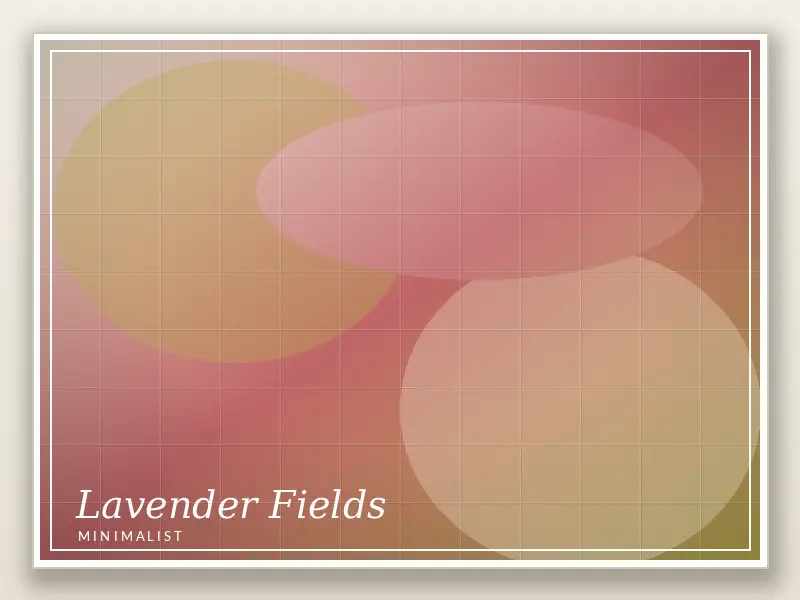
Minimalist
Minimalist Lavender Fields
30, 110, 252, 500, 1,000, or 2,000 piecesfrom $69.99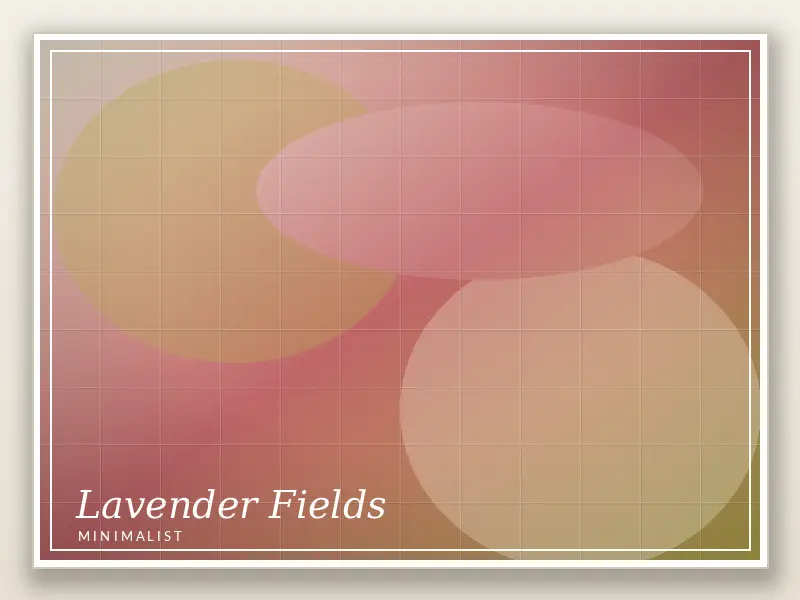
Minimalist
Minimalist Lavender Fields II
30, 110, 252, 500, 1,000, or 2,000 piecesfrom $69.99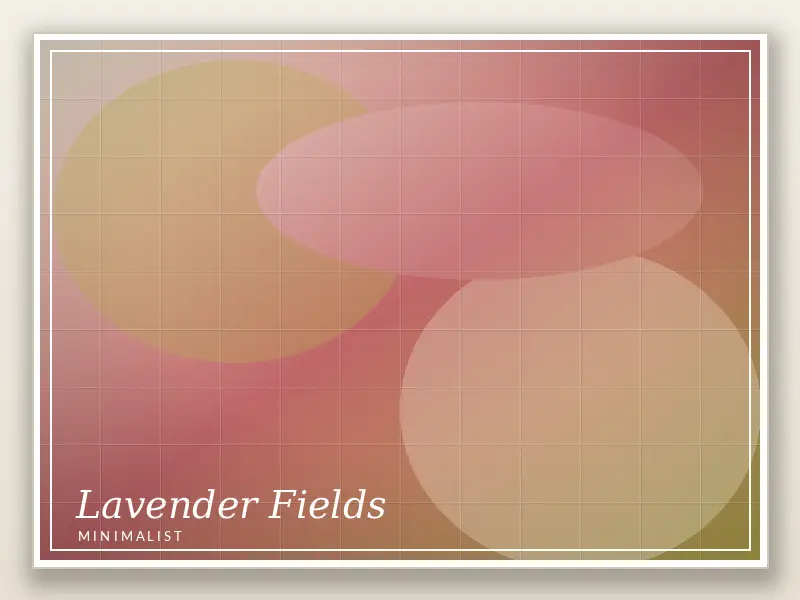
Minimalist
Minimalist Lavender Fields III
30, 110, 252, 500, 1,000, or 2,000 piecesfrom $69.99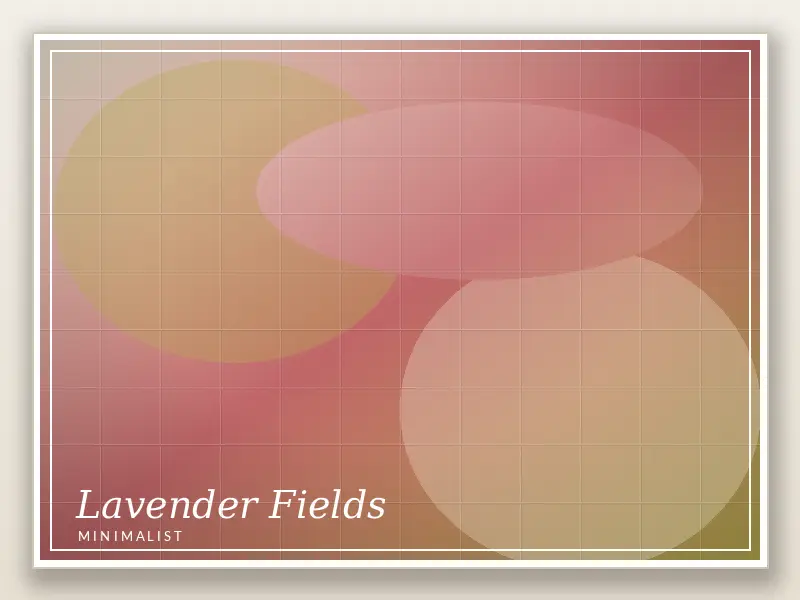
Minimalist
Minimalist Lavender Fields IV
30, 110, 252, 500, 1,000, or 2,000 piecesfrom $69.99
Minimalist
Minimalist London
30, 110, 252, 500, 1,000, or 2,000 piecesfrom $69.99
Minimalist
Minimalist London II
30, 110, 252, 500, 1,000, or 2,000 piecesfrom $69.99
Minimalist
Minimalist London III
30, 110, 252, 500, 1,000, or 2,000 piecesfrom $69.99
Minimalist
Minimalist London IV
30, 110, 252, 500, 1,000, or 2,000 piecesfrom $69.99
Minimalist
Minimalist Mountains
30, 110, 252, 500, 1,000, or 2,000 piecesfrom $69.99
Minimalist
Minimalist Mountains II
30, 110, 252, 500, 1,000, or 2,000 piecesfrom $69.99
Minimalist
Minimalist Mountains III
30, 110, 252, 500, 1,000, or 2,000 piecesfrom $69.99
Minimalist
Minimalist Mountains IV
30, 110, 252, 500, 1,000, or 2,000 piecesfrom $69.99
Minimalist
Minimalist Ocean
30, 110, 252, 500, 1,000, or 2,000 piecesfrom $69.99
Minimalist
Minimalist Ocean II
30, 110, 252, 500, 1,000, or 2,000 piecesfrom $69.99
Minimalist
Minimalist Ocean III
30, 110, 252, 500, 1,000, or 2,000 piecesfrom $69.99
Minimalist
Minimalist Ocean IV
30, 110, 252, 500, 1,000, or 2,000 piecesfrom $69.99
Minimalist
Minimalist Roses
30, 110, 252, 500, 1,000, or 2,000 piecesfrom $69.99
Minimalist
Minimalist Roses II
30, 110, 252, 500, 1,000, or 2,000 piecesfrom $69.99
Minimalist
Minimalist Roses III
30, 110, 252, 500, 1,000, or 2,000 piecesfrom $69.99
Minimalist
Minimalist Roses IV
30, 110, 252, 500, 1,000, or 2,000 piecesfrom $69.99
The quiet challenge of minimalist puzzles
Minimalist designs are among the most technically challenging to assemble precisely because so little happens in each piece. Large fields of near-identical tone require sharp attention to tiny value differences, the grain of a texture, the slight directional quality of a brushed surface. This is puzzle assembly as close observation, and it produces the same focused calm that meditating on a Mark Rothko or Agnes Martin painting does. Not every puzzler gravitates to this challenge, but those who do tend to find it uniquely satisfying.
Minimalist puzzle art in the contemporary home
Minimalism is the lingua franca of Scandinavian and Japanese-influenced interiors, of architects' homes and design professionals' studios. A single strong minimalist image on a white wall is a declaration of taste rather than decoration. The completed puzzle, mounted in a thin frame that matches the wall color, disappears into the room as a considered art choice. For anyone who finds figurative or heavily patterned art too busy for their space, minimalist puzzle art resolves the wall-decoration question elegantly.
Frequently asked questions
Are minimalist puzzles frustrating because of the large plain areas?
They require patience and a different mindset than complex figurative puzzles. Sort by the most subtle value and texture differences. Work from the central motif outward. Many assemblers find them deeply calming rather than frustrating.
What piece count is best for minimalist designs?
500 pieces is often the right choice. The finished size is wall-significant without creating an overwhelming expanse of nearly-identical pieces. 1000 pieces works for designs with more tonal complexity.
Will a minimalist puzzle look too plain on my wall?
A well-chosen minimalist piece becomes a focal point through its restraint. The key is sizing and framing: use a mat board that creates generous breathing room around the image, and choose a frame that integrates with your wall color rather than contrasting against it.